Typical Jobs
What comes through the bay on a normal week, and what each one takes.
Pickup Beds, Frames & Rockers
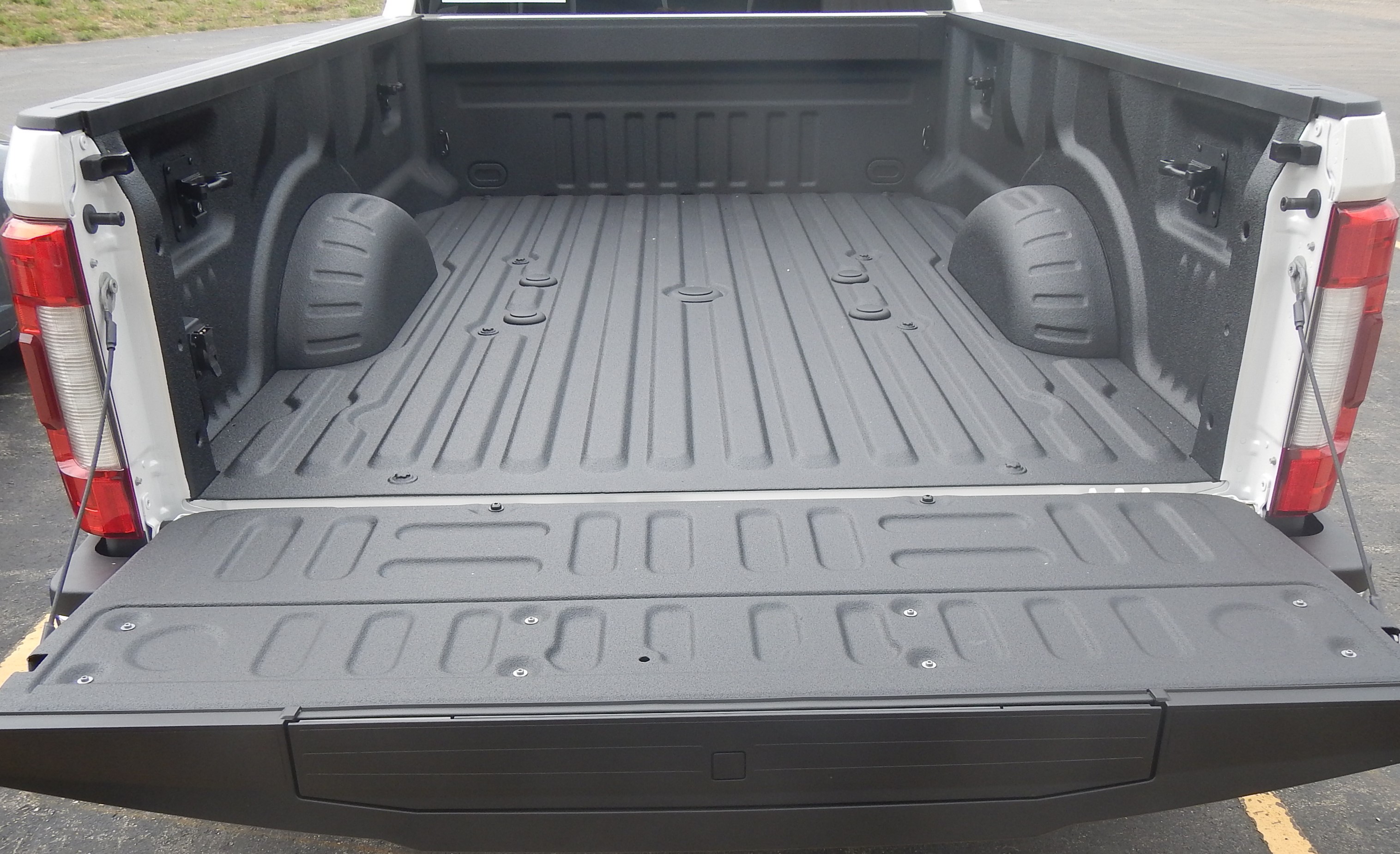
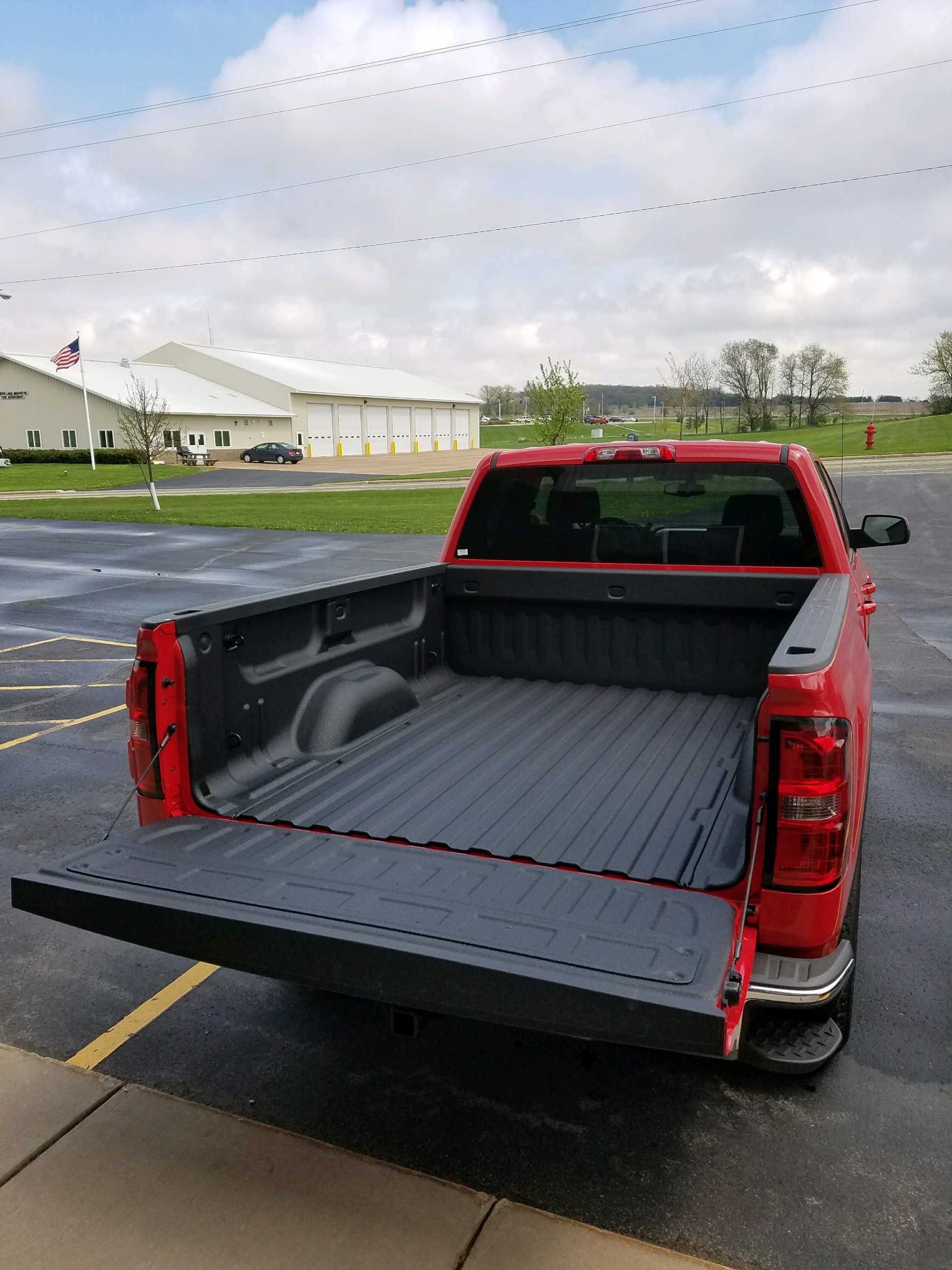
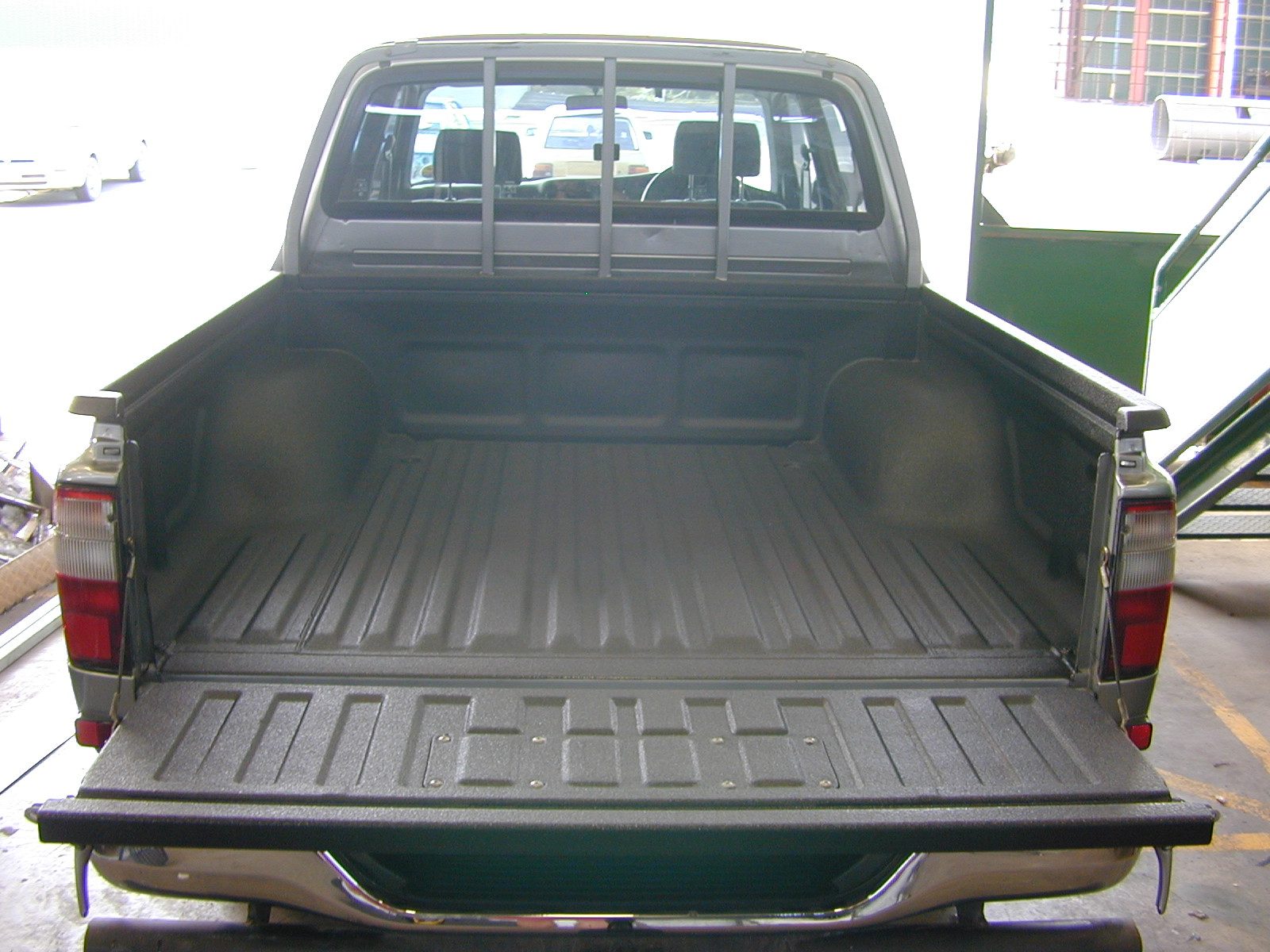
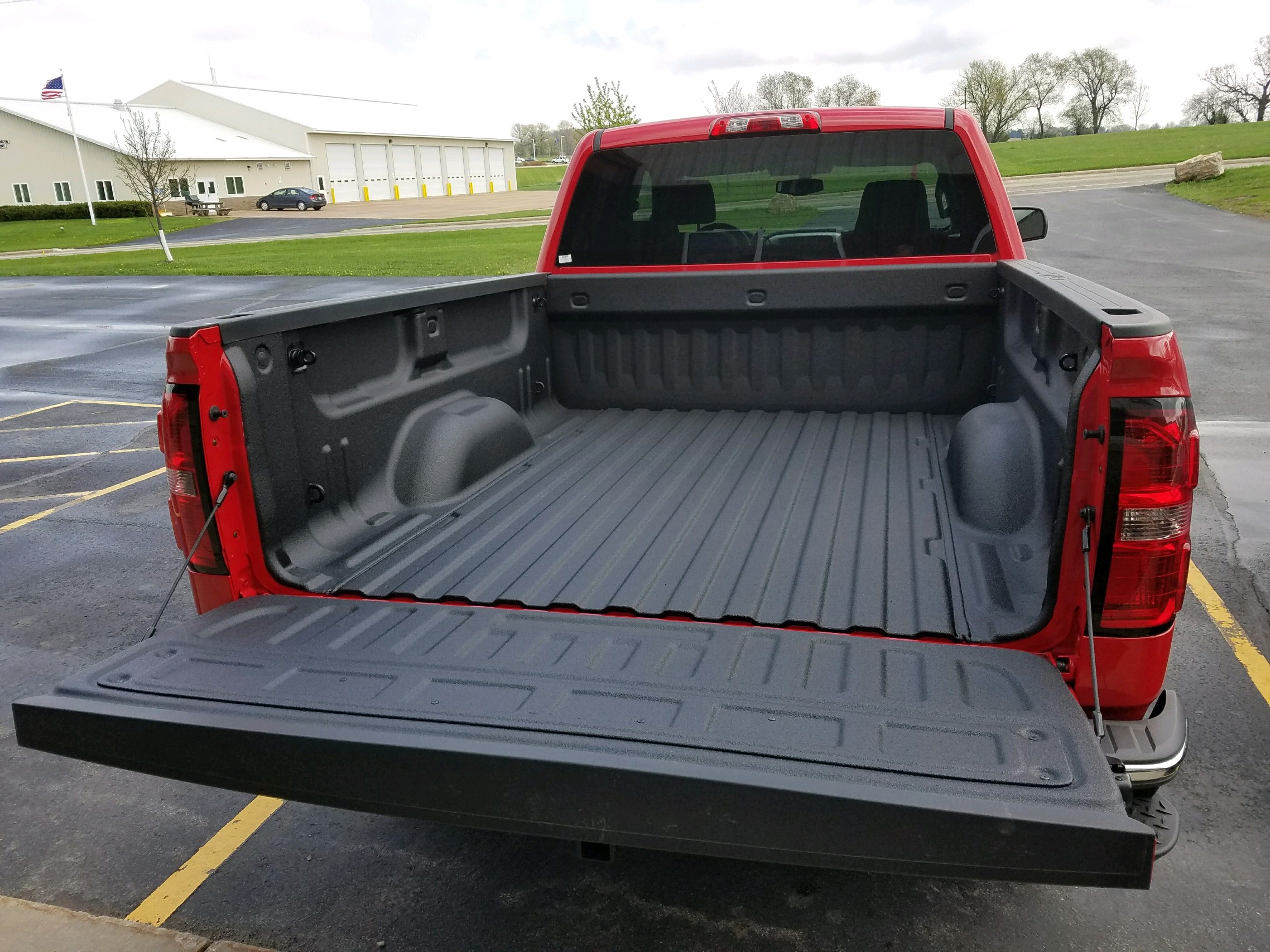
The most common single-vehicle job by a wide margin. The bed floor has usually lost its original coating and started scaling, and the frame has surface rust from years of winter road spray.
Both get handled in one visit. The bed gets a heavy build to survive dropped loads and dragged cargo; the frame, crossmembers, spring hangers, and rockers get a thinner coat because they only have to stay dry. Because it is all sprayed as one membrane, there is no seam between the two.
Wash the salt off first. This is the single most-skipped step on vehicle work and the one that causes coatings to lift a year later.
Spec: FJ1 at 60–80 mil on bed floor, walls, and tailgate; OR93BL at 30–40 mil on frame, underbody, and rockers. Half to full day.
Utility, Livestock & Flatbed Trailers
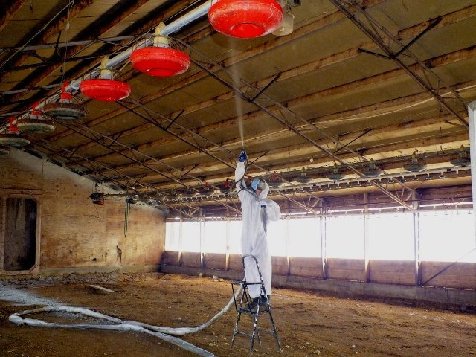
Trailers are the classic mixed-material job: steel frame, wood or steel deck, maybe some galvanized penning, and whatever paint is still hanging on. That is four adhesion situations on one unit.
7001 primer is what makes it a single job rather than four. It goes over the wood, the galvanized, and the sound old paint, and then one barrier coating spans the whole trailer at the right thickness for each area.
Livestock trailers deserve particular attention to the floor and the lower few inches of the walls — manure acids and daily washing attack there first, and it is the area owners notice last.
Spec: 7001 primer on wood, galvanized, and painted areas; FJ1 at 60–80 mil on decking; OR93BL at 30–40 mil on frame and underside. One day.
Farm Implements & Spreaders
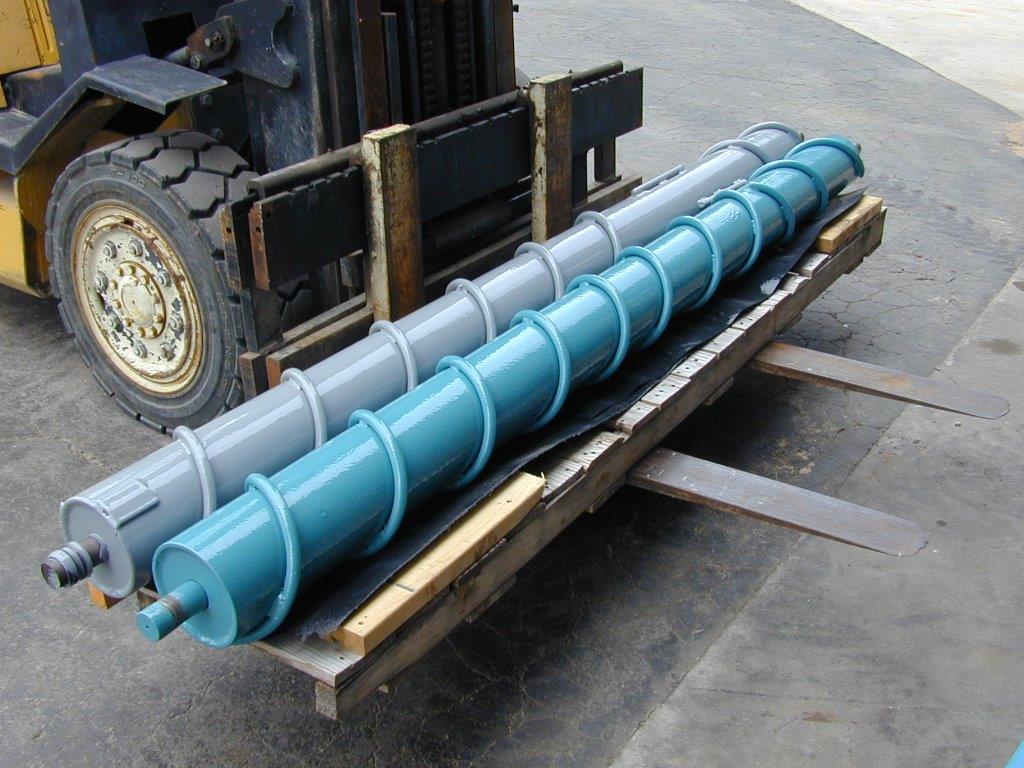
Fertilizer, manure, and silage are harder on steel than almost anything an industrial plant produces, and implements spend their off-season outdoors. So the rust is usually well established before anybody addresses it.
The distinction that matters is between the body and the contact surfaces. A spreader body only needs to stay dry; the bed, chain area, and discharge see abrasive material moving across them constantly and need a much heavier build — sometimes the wear grade.
Wash thoroughly first. Fertilizer residue is salt, and it behaves like road salt under a coating.
Spec: OR93BL at 40 mil on bodies, frames, and panels; FJ1 at 60–80 mil on spreader beds and contact faces; Flak Jacket Pro at 80–120 mil where aggregate or fertilizer flows across the surface.
Boat Trailers & Waterfront Hardware
Boat trailers get dunked in water — often salt water — several times a week and then parked wet. It is a harsher duty cycle than most highway trailers ever see, concentrated on a lightweight frame.
The prep here is not negotiable: pressure wash and verify the chloride level before anything is sprayed. Sealing salt against steel makes matters worse, and on a trailer that lives at a ramp there is always salt.
Bunks, brackets, and the tongue area are where these fail. Coat all of it, including the fastener heads.
Spec: Wash, chloride check below 7 µg/cm², SP3 prep, OR93BL at 40 mil throughout. Half to full day.
Project & Classic Vehicles
Restoration work is slower and more detailed than production work, and priced by the hour rather than the square foot — but it is one of the applications where the material earns its keep most clearly.
Floor pans, inner fenders, wheel wells, trunk floors, and frames all benefit from a thick flexible membrane that will not crack when the body flexes. It is applied after any welding and metalwork is complete, and it stays underneath the visible finish rather than replacing it.
Body panels and anything you want painted properly are a job for automotive finish, not for this. Use each where it belongs.
Spec: OR93BL at 30–40 mil on floor pans, frames, wheel wells, and trunk floors after metalwork is finished.
Other Small Jobs That Come Up
- Mower decks and attachments — grass acids and constant wet; FJ1 on the underside
- Loader buckets and cutting-edge areas — Flak Jacket Pro, and check the plate thickness before quoting
- Gates, penning, and feeders — livestock contact, wash-down, and ammonia
- Toolboxes, racks, and headache racks — quick add-ons while the truck is already in the bay
- Generator frames, skids, and equipment bases — sit outside, sit in water, rust from the bottom up
- Dock ladders, cleats, and rail — chlorides washed and verified first
- Horse trailer floors and ramps — hoof traffic plus urine; FJ1 with a non-slip finish
Got Something Not on This List?
If it is metal, rusting, and small enough to fit in a bay or sit in a yard, describe it and we will tell you what it takes.
Ask About Your JobFind Out What Your Job Takes
Tell us about your project and we will follow up with product details, technical data sheets, and pricing.